What Americans Living in Poland Need to Know in 2026

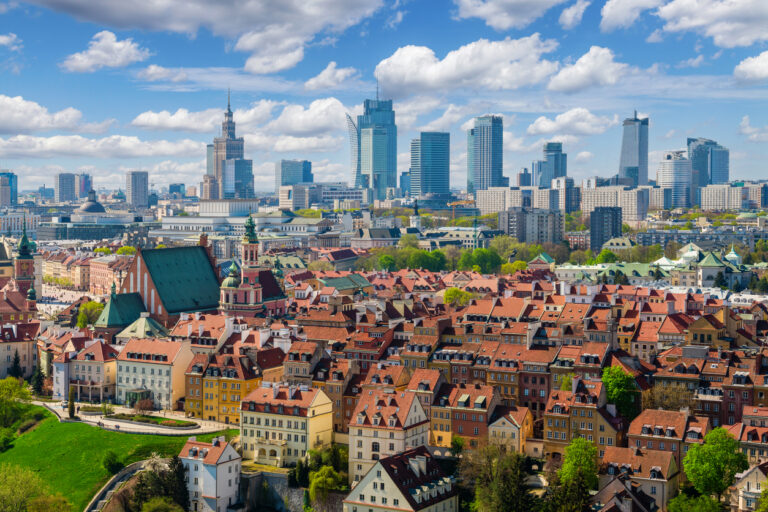
Aerial view of Warsaw’s Old Town and modern skyline, capturing the city environment experienced by Americans living in Poland.

Some countries make a strong first impression. Poland tends to reveal itself more slowly as you learn how people socialize, find the neighborhood that feels right for you, and become familiar with the rhythms of daily life.

For Americans, getting acquainted with Poland also means learning the practical side of living there, from renting your first apartment and registering your residence to accessing healthcare and keeping up with your U.S. tax obligations. Once those pieces fall into place, everyday life becomes much easier to navigate.

Snapshot of expat life in Poland

CategoryDetails
CountryPoland 
Capital cityWarsaw
CurrencyPolish zloty (PLN / zł)
Official language(s)Polish
PopulationApproximately 38 million
Estimated Americans living in PolandApproximately 29,000
Tax yearJanuary 1–December 31
Local tax deadlineApril 30 for individual tax returns
U.S. tax deadline for expatsJune 15 automatic extension; October 15 if an extension is filed
Primary U.S. tax formForm 1040
Primary local tax formForm PIT-37 (for employees); Form PIT-36 (for business/broader income)
Tax treaty with the U.S.?Yes
Totalization agreement with the U.S.?Yes
Common expat tax considerationsPolish tax residency rules
Progressive income tax or optional 19% flat tax on business income
Active U.S.-Poland tax treaty and totalization agreement
FEIE and FTC planning
FBAR and FATCA reporting

What is everyday life like in Poland?

For many Americans, Poland offers the chance to build a comfortable life in cities that are easy to navigate, well connected, and relatively affordable by Western European standards.

In most Polish cities, daily life happens close to home. Apartment buildings sit alongside neighborhood bakeries, local markets, pharmacies, and convenience stores, while trams, buses, and trains connect residential neighborhoods to schools, workplaces, and city centers. Running errands on foot is common, and many neighborhoods have everything you need within a short walk. Poland is also one of Europe’s safest countries, so it’s common to see children around eight to thirteen years old walking to school together or taking public transportation on their own, especially in larger cities. Like anywhere, it’s still important to stay aware of your surroundings in crowded tourist areas where pickpocketing can happen.

Public life tends to be fairly quiet and reserved. Poles generally keep to themselves on public transportation, conversations with strangers are often brief, and politeness is usually shown by respecting other people’s space instead of making small talk. As relationships develop, that reserve often gives way to close friendships and strong social circles, with invitations into someone’s home carrying particular significance. English is widely spoken in larger cities and international workplaces, but everyday life often happens in Polish. Visiting a government office, speaking with a landlord, or arranging a repair is usually much easier if you know some of the language, especially outside the country’s largest cities.

Saturday is often the busiest grocery shopping day because most large stores close on Sundays. As Easter and Christmas approach, many businesses adjust their hours, public offices close, and family gatherings take priority, giving cities a quieter feel. A few months later, the first warm weekend of spring transforms those same streets as parks, outdoor cafes, and public squares fill with people enjoying the change in weather after a long winter.

💡 Pro Tip:

The Polish language uses the Latin alphabet, so while pronunciation may take some getting used to, you'll still be able to read street signs, menus, and place names.

Where do American expats live in Poland?

While Americans live throughout Poland, most settle in a handful of larger cities that each offer a noticeably different experience of everyday life. The right choice often comes down to whether you picture yourself in a fast-moving capital, a historic university city, a growing business hub, or somewhere closer to the sea.

1. Warsaw

Warsaw feels like a city that’s constantly changing. Modern office towers stand alongside reconstructed historic neighborhoods, the metro is busy throughout the workweek, and new restaurants, cafes, and apartment developments continue to reshape different parts of the city. It’s home to many multinational companies, international organizations, and growing technology firms, along with one of Poland’s largest expat communities and a wide range of international schools. Housing costs are the highest in Poland, particularly in popular neighborhoods such as Śródmieście, Mokotów, and Żoliborz.

2. Kraków

Life in Kraków stretches well beyond the Old Town. Neighborhoods such as Krowodrza, Podgórze, and Bronowice each have their own cafes, parks, and local businesses, while the city center remains a popular place to meet friends, walk along the Vistula River, or spend an evening out. The city is home to several universities, international employers, and one of Poland’s largest international communities. Housing is generally more affordable outside the historic center, where many locals choose to live.

3. Wrocław

Wrocław is spread across a network of islands connected by more than 100 bridges, giving different parts of the city their own neighborhood feel. Trams, cycling paths, and walkable streets make it easy to get around without a car, while a growing technology and business sector has attracted professionals from across Europe. Although it has fewer international employers than Warsaw, many expats appreciate that it offers the amenities of a large city without feeling quite as busy.

4. Gdańsk

Living in Gdańsk means the Baltic coast is never far away. Walks along the Motława River, weekends at the beach, and easy train connections to nearby Sopot and Gdynia are part of everyday life for many residents. Career opportunities are strongest in industries such as shipping, logistics, and technology, and while winters tend to be colder and windier than elsewhere in Poland, many expats enjoy the slower pace and easy access to the coast.

5. Poznań

Poznań is often overshadowed by Warsaw and Kraków, but many people choose it because it feels rooted in local life. The city has a strong economy, a large university population, and lower housing costs than the capital. English is less common in everyday interactions than in Warsaw or Kraków, and the international community is smaller, but many expats see that as an opportunity to become more immersed in Polish life.

How Americans can legally live in Poland

The right immigration pathway depends on why you’re moving to Poland. Someone accepting a job in Warsaw won’t follow the same process as an American with Polish ancestry or someone joining a spouse or family member. Starting with your reason for relocating helps narrow down the right pathway.

Common pathways include: 

  • Work: If you’ve accepted a job offer with a Polish employer, you’ll usually need an employer-sponsored work permit and a temporary residence permit.
  • Study: If you’ve been accepted to a Polish university, you can apply for a student visa or temporary residence permit for the duration of your studies.
  • Polish ancestry: If you have Polish parents, grandparents, or other qualifying ancestors, you may be eligible for Polish citizenship by descent.
  • Family reunification: If your spouse or close family member is a Polish citizen or legal resident, you may be able to apply for a temporary residence permit through family reunification.

To apply, you’ll usually need to gather supporting documents, attend an appointment, and wait for your residence decision. Although processing times vary depending on where you apply, many expats wait anywhere from six to 12 months for a temporary residence permit, and delays beyond a year aren’t uncommon. That’s why it’s worth starting the process as early as possible before you’re set to move.

💡 Pro Tip:

If a document isn't in Polish, check whether it needs a certified translation before your appointment. Missing translations can delay processing times. 

Getting set up in Poland

Many everyday services in Poland are connected through a few key administrative systems. Setting them up early can help you access government services, healthcare, banking, and other parts of daily life with fewer delays.

  • Get a PESEL number: A PESEL is Poland’s national identification number, and you’ll need it for many aspects of daily life, including accessing healthcare, opening a bank account, filing taxes, and using government services. If you’re required to register your residence in Poland, you’ll typically receive one as part of that process; otherwise, you can apply for one if it’s needed for an official purpose.
  • Set up Profil Zaufany: Profil Zaufany (Trusted Profile) lets you securely access online government services, verify your identity, and sign official documents electronically. Once it’s set up, you can also access many public services through the mObywatel app.
  • Open a Polish bank account: A Polish bank account is often required to receive your salary and makes it easier to pay rent, utilities, and other everyday expenses. Banks typically ask for documents such as your passport, residence permit, and PESEL number when you apply.

What’s the cost of living in Poland?

Many Americans find they can afford a different lifestyle in Poland than they could at home. Lower day-to-day expenses can make it easier to eat out more often, rely on public transportation instead of owning a car, or travel around Europe on weekends.

  • Housing: The average monthly rent is around 2,600 PLN ($770 USD), with big cities like Warsaw and Kraków being more expensive than smaller cities such as Wrocław, Poznań, or Gdańsk.
  • Transportation: The average person spends around 130 PLN ($35 USD) per month on public transportation. Many expats rely on buses, trams, and trains instead of owning a car, which helps keep monthly transportation costs low.
  • Groceries and dining out: Groceries are generally affordable, and traditional milk bars (bar mleczny) offer inexpensive Polish meals throughout many cities. Imported American products usually cost more than local alternatives.
  • Education: Public schools are free but teach primarily in Polish. Many expat families choose international schools instead, where annual tuition typically ranges from 20,500–60,300 PLN ($5,616–$16,519 USD) depending on the school and city.

Earning around 7,300–9,200 PLN ($2,000–$2,500 USD) per month can provide a comfortable lifestyle in most Polish cities, including many neighborhoods in Warsaw or Kraków. Couples and families will need to budget for more, especially if they’re paying international school tuition or renting a larger apartment.

💡 Pro Tip:

You can use a credit or debit card for almost everything in Poland, from public transportation to neighborhood cafes. Carrying a small amount of cash is still useful for the occasional market stall or small business.

Renting and buying property in Poland

Apartment living is the norm in Polish cities, and neighborhoods often include a mix of renovated pre-war buildings, post-war apartment blocks, and newer residential developments. Understanding how the housing market works can help you compare your options, choose the right fit, and avoid surprises along the way.

Renting in Poland

Renting an apartment in Poland comes with a few local conventions that may not be immediately obvious. The way housing costs are presented, apartments are described, and post-move paperwork is handled can all affect both your budget and your move-in process. Before signing a lease, here’s what to know.

  • Expect more than one housing cost. You’ll usually pay administrative fees that cover building maintenance, water, garbage collection, and other shared services alongside your rent. Utilities are typically billed separately, and most landlords require a security deposit equal to one or two months’ rent.
  • Apartment listings count rooms differently. Apartments are usually advertised by the total number of rooms instead of the number of bedrooms. For example, a two-room apartment typically includes one bedroom and one living room.
  • You may need to register your address. Depending on your residency status and length of stay, you may need to complete a meldunek (address registration). Some registrations require documents from your landlord confirming your address, so ask whether they’ll provide them before you sign a lease.

Once you’re familiar with how renting works in Poland, the next step is finding an apartment and preparing your paperwork.

  • Where to search: Most expats begin with Otodom, OLX, or Facebook Marketplace. Local real estate agents are widely available to help navigate the market or negotiate a lease in English, but they typically charge a fee equal to one month’s rent.
  • What you’ll need: Landlords will usually ask for your passport, proof of income or employment, and proof that you have the legal right to live in Poland, such as a visa or temporary residence permit.
  • What to ask before signing: Confirm whether administrative fees and utilities are included in the advertised rent, how long the lease runs, what the deposit covers, and whether the landlord can provide the documents you’ll need if you’re required to register your address.

Buying property in Poland

Americans can buy property in Poland, but the process differs depending on what you’re buying. Before you start house hunting, here are a few things to know:

  • Apartments and houses follow different rules. Americans can generally buy apartments in multi-unit buildings without a special permit. Buying a detached house with land usually requires approval from the Polish Ministry of the Interior.
  • Every purchase goes through a notary. Unlike in the U.S., a notary plays a central role by preparing the final deed, verifying the legal status of the property, and registering the ownership transfer.
  • You can review a property’s legal history before you buy. Poland’s public Land and Mortgage Register lets buyers confirm ownership and check for outstanding mortgages or legal claims before completing a purchase.

Buying a home also comes with additional costs beyond the purchase price, including a 2% property transfer tax on resale properties, notary fees, court registration fees, and, where needed, legal representation or certified translations.

💡 Pro Tip:

Ask whether the apartment has been recently renovated and how it's heated. Older buildings can have higher heating costs during the winter than newer developments.

How does healthcare work in Poland?

Healthcare in Poland isn’t an either-or choice between public and private care. Many expats end up using both, and knowing when each system makes sense can save you both time and money.

Poland’s healthcare system

Poland’s public healthcare system is funded through the National Health Fund (NFZ). Most Americans living in Poland long term qualify through employment, self-employment, or another eligible residency status.

Once you’re enrolled, the NFZ covers a wide range of healthcare services, including:

  • General practitioner (GP) visits
  • Specialist care
  • Hospital treatment
  • Many prescription medications

Even with access to the NFZ, many expats still use private healthcare. Private clinics often have shorter waiting times, more flexibility when booking appointments, and a larger selection of English-speaking doctors. As a result, many people use private care for routine appointments while relying on the public system for more complex treatment or hospital care.

Private healthcare is often covered through an employer-sponsored healthcare plan, but many expats also purchase their own international health insurance.

Getting medical care

If you plan to use the public system, you’ll need to register with a general practitioner (GP), who becomes your main point of contact for non-emergency care. In most cases, you’ll need a referral from your GP before seeing a specialist through the NFZ. If you’re using private healthcare, you can usually book appointments directly with specialists without a referral, making it a popular choice for non-urgent medical concerns and routine checkups.

For medical emergencies, call 112. Emergency departments treat patients based on medical urgency, regardless of whether they’re covered through the NFZ or private healthcare.

Taxes for Americans living in Poland

Moving to Poland means you’ll have tax obligations in a country that follows a different set of rules than the United States. Understanding when those obligations begin and what they mean for your U.S. taxes can help you plan ahead.

When do you become a Polish tax resident?

Poland determines tax residency based on two main factors. You will be considered a resident if you:

  • Spend 183 days or more in Poland during the tax year.
  • Have your closest personal and financial ties in Poland, including where your family lives, where you work, where you maintain a permanent home, or where you manage your finances.

Once you’re considered a tax resident, Poland may tax your worldwide income, not just the income you earn within the country.

Do Americans still file U.S. taxes?

Yes. As a U.S. citizen or green card holder, you’ll generally continue filing a federal tax return each year, even after moving to Poland.

Several provisions help reduce the risk of being taxed twice on the same income. Depending on your situation, you may qualify for:

You may also need to file additional reporting forms, such as an FBAR or FATCA report, if your foreign financial accounts exceed certain reporting thresholds.

When should you get tax advice?

Your tax situation often becomes more complex once your finances extend beyond earning a salary from a Polish employer. It’s worth seeking professional guidance if you:

Avoid tax surprises after your international move

Poland isn’t always a country that wins people over immediately, but once you’ve settled into everyday life, it’s easier to appreciate what makes living there so rewarding. Understanding your U.S. tax obligations before you move can make that transition smoother.

Whether you’re filing your first U.S. tax return from Poland, claiming the Foreign Earned Income Exclusion or Foreign Tax Credit, or navigating FBAR reporting, Bright!Tax helps Americans stay compliant while living abroad. Get in touch with us today so you can start your move to Poland with confidence.

Insight meets inbox

Monthly insights and articles directly to your email inbox. Our newsletter offers substance (over spam). We promise.