
 Get to know the author
 Connect on LinkedIn
Living in Russia today as an American means accepting a level of uncertainty in everyday life. International sanctions and the state of U.S.-Russia relations continue to shape the country in ways that influence ordinary decisions, from traveling abroad to managing your finances and staying connected with services outside Russia.
That doesn’t mean it’s impossible to build a life here. People still go to work, spend time with family and friends, and settle into familiar routines. For Americans, however, those routines unfold within a more restrictive practical and legal environment that deserves careful consideration before you decide whether life in Russia is right for you.
Snapshot of expat life in Russia
| Category | Details |
| Country | Russia |
| Capital city | Moscow |
| Currency | Russian ruble (RUB / ₽) |
| Official language(s) | Russian |
| Population | Approximately 143 million |
| Estimated Americans living in Russia | Approximately 5,000 |
| Tax year | January 1–December 31 |
| Local tax deadline | April 30 of the following tax year; no formal filing extensions are granted |
| U.S. tax deadline for expats | June 15 automatic extension; October 15 if an extension is filed |
| Primary U.S. tax form | Form 1040 |
| Primary local tax form | Form 3-NDFL |
| Tax treaty with the U.S.? | Yes, but key provisions suspended since August 16, 2024 |
| Totalization agreement with the U.S.? | No |
| Common expat tax considerations | Possible worldwide income taxation U.S.-Russia tax treaty suspended No U.S.-Russia totalization agreement FEIE/FTC planning FBAR and FATCA reporting Banking and financial sanction restrictions |
Is living in Russia realistic for Americans today?
Living in Russia as an American is still possible, and people continue to relocate for work, family, study, and other long-term reasons. However, current geopolitical tensions affect parts of everyday life in ways you won’t encounter in most other countries.
Banking and money
International sanctions have changed how you’ll interact with the world outside Russia. Most U.S.-issued bank cards, including U.S.-issued Visa and Mastercard, no longer work in the country, so you’ll likely need a local bank account for everyday spending. Sending or receiving money internationally can also take more planning because many familiar transfer services no longer operate here.
Travel and consular support
The U.S. Department of State currently advises Americans not to travel to Russia and notes that the U.S. government has limited ability to help U.S. citizens in the country. Limited U.S. consular services can make situations such as replacing a lost passport or receiving emergency assistance more complicated. There are also no direct commercial flights between the United States and Russia, so traveling between the two countries requires additional planning.
Legal and social environment
If you’re LGBT, work as a journalist, or have a public profile, you’ll be living in a legal environment where public expression, activism, and certain forms of advocacy are more tightly regulated than in the United States.
Going in with a clear understanding of these realities can help you decide whether Russia aligns with your priorities and long-term plans.
What is it like to live in Russia?
Living in Russia involves adapting to social customs and traditions that influence how people communicate, build relationships, and spend their time. Even amid the realities of living in Russia today, those everyday experiences shape what it feels like to live in the country.
Speaking Russian
Your world in Russia expands as your Russian improves. English is spoken in some hotels, restaurants, and international businesses in larger cities, but many day-to-day interactions happen in Russian. Speaking with your landlord, asking questions at a pharmacy, visiting a government office, or chatting with neighbors becomes easier once you have a basic grasp of the language.
Learning Russian also makes it easier to build relationships outside international circles. Conversations become more natural, invitations become more common, and it’s easier to participate in everyday life. Even if you never become fluent, making the effort is often appreciated.
Social norms and relationships
Russians don’t usually smile or make casual conversation with strangers. It’s easy to mistake that for unfriendliness, but public interactions and private relationships often follow different social expectations than you may be used to.
Friendships usually develop slowly and are built on trust. Once you’re welcomed into someone’s home, the atmosphere often changes. Sharing tea, celebrating holidays, and gathering around a home-cooked meal are common ways people spend time together, and many expats find these smaller, close-knit circles become one of the most rewarding parts of living in Russia.
Daily routines
Apartment living is the norm in most Russian cities, and many people rely on public transportation or walk to complete everyday errands. Neighborhood grocery stores, pharmacies, cafes, and other essential services are often within walking distance, making daily life less car-dependent than it is in much of the United States.
By Friday evening in the warmer months, roads leading out of major cities begin filling with people heading to their country homes, known as dachas. Weekends are spent tending vegetable gardens, grilling shashlik, gathering with extended family, or simply enjoying a slower pace before returning to the city on Sunday.
Russian winters
Long, cold winters are normal throughout Russia, but the intensity varies depending on where you live. Winters in Siberia are among the coldest in the country, while southern cities such as Sochi experience much milder conditions. Cities across Russia are built to function in snowy weather, with reliable heating, regular snow removal, and public transportation continuing to operate through the winter months.
Getting through winter comfortably starts with a warm coat, insulated boots, and clothing designed for subzero temperatures. Layering quickly becomes second nature as you shed heavy outerwear each time you step into apartments, offices, shops, or the metro, then bundle up again before heading back outside.
Visa and residency options for Americans
Russia offers several visa and residency pathways for Americans who want to live in the country. Which one is right for you depends on why you’re moving, whether that’s for work, study, joining family, or another qualifying reason.
- Work visa: The most common option for Americans relocating for employment. You’ll generally need a job offer from a Russian employer, who initiates the work permit and visa application process on your behalf.
- Student visa: Available to Americans accepted into a Russian educational institution. Student visas can usually be renewed for the duration of your studies.
- Private visa: Most commonly issued for personal or family-related visits. You’ll generally need an official invitation from your host in Russia before applying.
If you decide to remain in Russia long term, you may become eligible to transition from an entry visa to a residence permit, depending on your circumstances. This may begin with a Temporary Residence Permit (TRP), which generally allows eligible foreign nationals to live and work in the region where the TRP was issued without a separate work permit. Eligible TRP holders may later apply for a Permanent Residence Permit (PRP), which allows you to live and work in Russia without many of the restrictions that apply to temporary residents. Permanent residents may also become eligible to apply for Russian citizenship if they meet the legal requirements.
How do banking and payments work in Russia?
Most long-term residents open a local bank account soon after arriving. It’s generally needed to receive a salary, pay rent, cover everyday expenses, and access local banking services. Requirements vary by bank, but you’ll generally be asked to provide:
- Your passport (some banks may also request a notarized copy)
- A valid visa or work permit, if applicable
- Your migration card issued when you entered Russia
- Proof of your address in Russia
- A reference from your employer, if required by the bank
Receiving money from abroad also requires planning. Many international bank transfers to Russia are affected by sanctions and banking restrictions, and the options available can change over time. If you rely on U.S. savings or income from outside Russia, research your transfer options before you move and have a backup plan in case your preferred method becomes unavailable.
💡 Pro Tip:
Before relocating, try transferring a small amount of money using the service you plan to rely on in Russia. It's easier to troubleshoot any issues while you're still in the United States than after you've moved.
What’s the cost of living in Russia?
The average cost of living in Russia is around 88,000 RUB ($1,103 USD) per month for one person, but your actual budget will depend on where you live and the lifestyle you want to maintain.
Typical monthly costs in Russia may look like this:
| Expense | Cost |
| One-bedroom apartment (city center) | 30,000–126,000 RUB ($395–$1,650 USD) |
| One-bedroom apartment (outside city center) | 21,000–68,000 RUB ($275–$890 USD) |
| Basic utilities (electricity, heating, water, garbage) | 7,000–17,000 RUB ($92–$223 USD) |
| Internet | 500–1,100 RUB ($7–$14 USD) |
| Monthly public transportation pass | 1,400–4,500 RUB ($18–$59 USD) |
Housing has the biggest influence on your monthly budget. Choosing Moscow or St. Petersburg over a regional city can increase not only your rent but also what you spend on groceries, dining out, and entertainment.
- Groceries: Grocery costs vary by city. In Moscow, one person spends around 21,100 RUB ($260 USD) per month, while costs are generally lower in many regional cities. Imported foods and international brands tend to be the most expensive items.
- Dining out: A meal at a modest restaurant typically costs around 500 RUB ($8 USD), while a three-course meal for two at a mid-range restaurant averages about 2,000 RUB ($35 USD).
- Entertainment: Going to the theater, ballet, museums, concerts, or sporting events is a common part of life in many Russian cities, and tickets are often reasonably priced compared to similar events in the United States.
Families should also plan for education costs if they intend to enroll their children in an international school. Tuition at many international schools ranges from 1,500,000–2,300,000 RUB ($20,000 to $30,000) per child each year, making it one of the largest expenses for families relocating to Russia.
💡 Pro Tip:
Shop where locals shop. Discount supermarket chains like Magnit, Pyaterochka, and Diksi can help keep grocery costs down.
Where do American expats live in Russia?
Where you live in Russia will influence everything from your daily routine and housing costs to how easily you can build a social circle. Some cities offer larger international communities and more career opportunities, while others appeal because of their affordability, climate, or a different pace of life.
1. Moscow
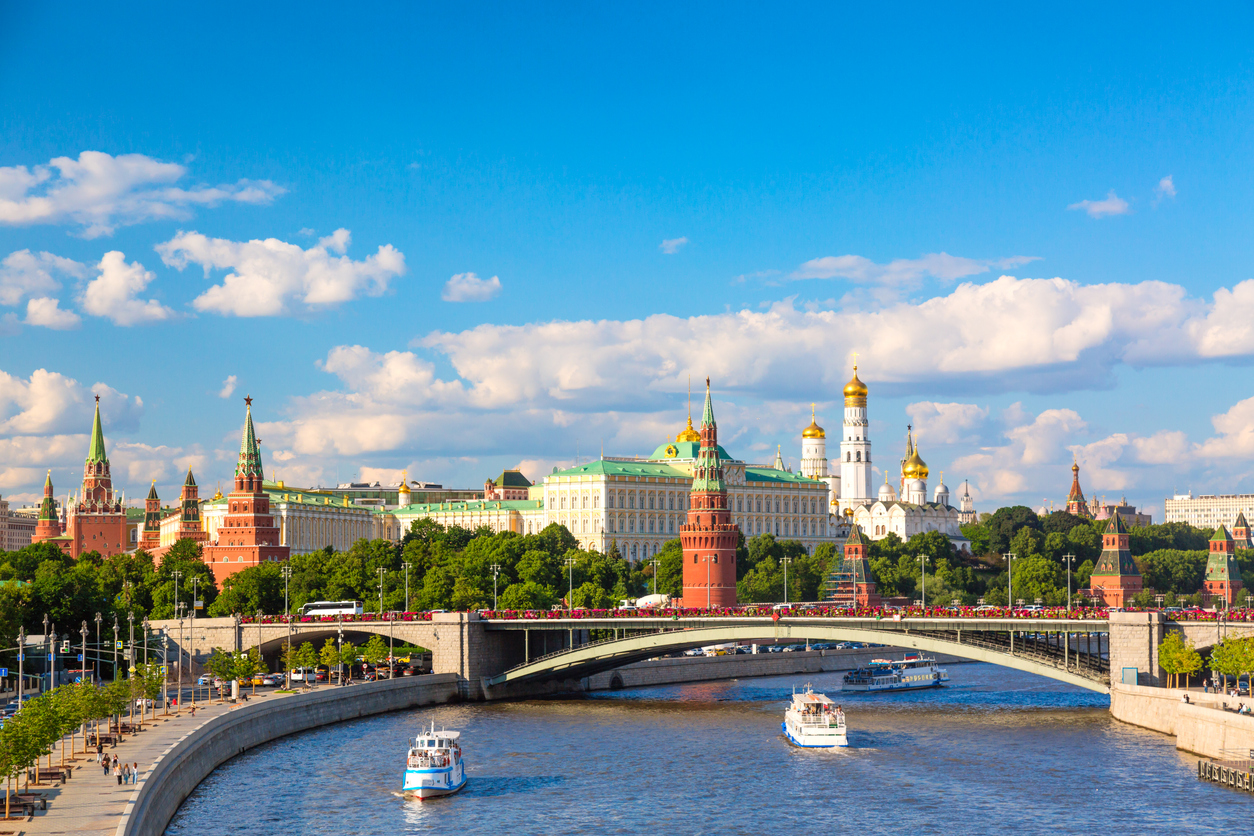
Moscow is the country’s economic and political center, making it the most common destination for Americans relocating for work. Many government institutions, major employers, and business districts are concentrated around the city center near the Kremlin, while residential neighborhoods stretch far beyond it.
Life in Moscow is built around movement. Many residents spend a significant part of their day on the metro, which connects nearly every corner of the city and makes living without a car practical. Housing is the most expensive in Russia, but you’ll also find one of the country’s largest expat communities, the widest range of international services, and more opportunities to navigate daily life in English than almost anywhere else in the country.
2. St. Petersburg
St. Petersburg attracts people who enjoy a slower pace than Moscow without giving up the conveniences of a large city. Literature, music, theater, and the arts remain part of everyday life, and it’s common to spend an evening at the ballet, a concert, or a neighborhood cafe after work.
Summer brings the famous White Nights, when daylight stretches late into the evening and people spend more time outdoors. Winters are long, gray, and damp, giving the city a noticeably different rhythm for much of the year. Many residents find that adapting to the seasonal changes becomes part of everyday life.
3. Kazan
Kazan offers a different perspective on life in Russia. Russian and Tatar cultures are woven into everyday life, from bilingual signs to a skyline where mosques and Orthodox churches stand alongside one another. That mix gives the city a character that feels distinct from Moscow or St. Petersburg.
Living costs are generally lower than in Russia’s two largest cities, but you’ll still find modern public transportation, a growing technology sector, and many of the conveniences of a large urban center. Speaking Russian becomes especially valuable here, as English is less common outside universities and international businesses.
4. Sochi
Sochi attracts people looking for a different side of Russia. Located on the Black Sea coast, its subtropical climate means long, snowy winters are replaced with much milder weather than you’ll find across most of the country.
Life follows a different rhythm here than it does in Moscow or St. Petersburg. The city fills with domestic tourists during the summer, while the quieter months feel much more residential. If being close to the beach, mountains, and outdoor recreation matters more to you than living near Russia’s largest business and cultural centers, Sochi may be a better fit.
What is housing like in Russia?
Most Americans living in Russia rent rather than buy, at least initially. Whether you’re looking for an apartment in Moscow, St. Petersburg, or a smaller regional city, understanding how Russia’s housing market works can make settling in smoother.
Renting
Apartments in Russia range from buildings constructed during the Soviet Union to modern developments, and furnished rentals are common in many cities. If you decide to rent, understanding how leases, payments, and address registration work can help you avoid unexpected complications.
- Address registration: Foreign nationals generally must register their address within seven business days of arriving in Russia. Your landlord is responsible for completing the registration, so confirm they’re willing to do so before signing a lease.
- Lease agreements: Rental contracts are commonly written for 11 months, since longer leases require state registration. If the agreement is only available in Russian, ask for a translated copy or have someone review it before signing.
- Utilities: Rent doesn’t always include every utility. Confirm which services are covered and which, such as electricity, internet, or television, you’ll pay separately.
- Upfront costs: Expect to pay the first month’s rent, a security deposit that’s usually equal to one month’s rent, and, if applicable, a real estate agent’s fee before moving in. Payments are often made using a Russian bank account because foreign bank cards generally don’t work.
Buying
Buying property in Russia is possible for foreign nationals, but it’s uncommon for Americans relocating there.
Foreigners can generally purchase residential property in most Russian cities without holding a residence permit, but restrictions apply to agricultural land, border regions, and certain strategically important areas. Owning property also doesn’t provide a pathway to Russian residency.
International sanctions have also made transferring money into Russia more complicated, and property purchases must be completed in rubles. For most Americans, renting first offers more flexibility while deciding whether Russia is the right long-term fit.
💡 Pro Tip:
Start your housing search on local platforms like Cian, Avito, and Yandex Realty. If you don't speak Russian, a local real estate agent can also help you navigate listings.
What is healthcare like in Russia?
Russia operates a dual healthcare system that includes both public and private care. Public healthcare is funded through the Obligatory Medical Insurance (OMI) system.
The OMI system is generally available to:
- Russian citizens
- Employed individuals who contribute through employer-paid insurance
- Retirees, children, and other eligible groups covered by state-funded programs
- Foreign nationals with a valid temporary or permanent residence permit
If you’re eligible for OMI, you’ll usually access public healthcare through your local polyclinic. Polyclinics serve as the first point of contact for routine appointments, preventive care, and referrals to specialists.
Even if you qualify for OMI, many expats also choose private health insurance because appointments are often easier to schedule, English-speaking doctors are more common, and private clinics generally have shorter wait times.
Americans entering Russia on a work visa are often required to carry private health insurance as part of their visa conditions. Many employers provide Voluntary Health Insurance (VHI) as part of their benefits package, so check whether private healthcare coverage is included if you’ll be working for a Russian employer.
💡 Pro Tip:
Before choosing a private health insurance plan, check what private healthcare options are available where you live. Smaller cities and rural areas generally have fewer private clinics and English-speaking providers.
Do Americans living in Russia still have to file U.S. taxes?
Yes. Living in Russia doesn’t end your U.S. tax obligations. As a U.S. citizen or green card holder, you’re generally required to file an annual U.S. federal tax return if you meet the IRS filing thresholds, even if you live and work in Russia full time. You may also be required to file taxes in Russia at the same time.
When do you become a tax resident in Russia?
Whether you pay tax in Russia depends primarily on your tax residency and where your income is earned. In general, you become a Russian tax resident after spending 183 days or more in the country within any 12 consecutive months.
Russian tax residents are taxed on their worldwide income, while non-residents are typically taxed only on income from Russian sources.
Avoiding double taxation
If you have tax obligations in both Russia and the U.S., several provisions in the U.S. tax code can help reduce or eliminate double taxation, including:
- Foreign Earned Income Exclusion (FEIE): Lets you exclude up to the annual IRS limit of foreign earned income from U.S. taxation if you qualify.
- Foreign Tax Credit (FTC): Allows you to claim a credit for eligible income taxes paid to Russia, helping reduce or eliminate double taxation.
The right option depends on your situation. Some Americans benefit more from the FEIE, while others save more by claiming the FTC. In some cases, both can be used for different types of income.
Reporting foreign financial accounts
In addition to filing a U.S. tax return, you may also have to report certain foreign financial accounts and assets:
- FBAR: Required if the total value of your foreign financial accounts exceeds $10,000 USD at any point during the year.
- FATCA: You may also need to report certain foreign financial assets by filing IRS Form 8938 if you meet the applicable reporting thresholds.
If you’re unsure how your U.S. and Russian tax obligations overlap, speaking with an expat tax professional can help you determine which filing requirements and tax benefits apply to your situation.
Don’t let U.S. taxes complicate life in Russia
Starting a new life in Russia means navigating a new banking system, healthcare network, residency rules, and other unfamiliar systems. Understanding your U.S. tax obligations before you move can help ensure they don’t become another challenge as you settle into life abroad.
That’s where Bright!Tax can help. Our team specializes in U.S. expat taxes and can guide you through how Russian taxes, U.S. filing requirements, foreign bank account reporting, and available tax benefits work together, so you can stay compliant with the IRS while making the most of the tax provisions available to you. Contact us today for personalized guidance before or after your move to Russia.
Frequently Asked Questions (FAQs)
-
Can U.S. citizens live in Russia?
Yes. Americans can live in Russia if they have the appropriate visa or residence permit, whether that’s for work, study, joining family, or another qualifying reason. If you plan to stay long term, you’ll typically transition from your initial visa to temporary or permanent residency.
-
Where do Americans apply for a Russian visa?
Americans generally apply for a Russian visa through a Russian embassy or consulate that serves their place of residence before traveling. Check the latest visa requirements and application procedures published by the Russian government or the relevant Russian diplomatic mission before applying.
-
What challenges do Americans face when living in Russia?
The biggest challenges are navigating the practical realities of living in Russia today alongside adapting to a new culture. International sanctions have made banking, international money transfers, and travel more complicated, while language barriers and administrative processes can make everyday tasks more difficult. Depending on your circumstances, you may also need to consider Russia’s current legal and social environment before relocating.
-
Do I have to know Russian to live in Russia?
No, but learning Russian makes everyday life much easier. While English is spoken in some hotels, restaurants, and international businesses in larger cities, many day-to-day interactions take place in Russian.
-
Is dual citizenship allowed in Russia for Americans?
Both the USA and Russia allow dual citizenship in certain circumstances. However, dual citizens must comply with the laws and obligations of both countries, and Russia has reporting requirements for citizens who hold another nationality.
-
What motivates some Americans to move to Russia?
People relocate to Russia for many different reasons, including work opportunities, family relationships, education, business, or personal interest in the country’s language and culture. Individual motivations vary widely, and experiences often depend on where someone lives and why they moved.
-
What is a Russian exit visa?
A Russian exit visa is a special visa that allows a foreign national to leave Russia if they can’t depart under their current immigration status, such as after a visa overstay or certain administrative issues. It’s not part of the normal departure process for Americans who maintain valid immigration status.
-
Can Americans buy property in Russia?
Yes. Foreign nationals can generally buy residential property in most Russian cities, although restrictions apply to agricultural land, border regions, and certain strategically important areas. Because international sanctions have made cross-border money transfers more complicated, buyers should also plan how they’ll fund the purchase before signing a contract.
-
Is it safe to live in Russia?
The U.S. Department of State currently advises Americans not to travel to Russia for any reason. Anyone considering a move should review the latest travel advisory before making plans and monitor official updates, as security conditions and government guidance can change. For travel involving Crimea, the Department directs travelers to follow the Ukraine Travel Advisory.
-
Can Americans open a bank account in Russia?
Yes. Americans living in Russia can generally open a local bank account by providing documents such as a passport, migration card, proof of address, and, depending on the bank, a valid visa or residence permit.
-
Can Americans retire in Russia?
Russia doesn’t have a dedicated retirement visa, so Americans who want to retire there must qualify for another type of long-term visa or residence permit. Before relocating, it’s also important to consider healthcare access, residency requirements, and both Russian and U.S. tax obligations.
-
How has the war in Ukraine affected everyday life in Russia?
The war has affected some aspects of daily life, particularly international banking, flight routes, and the availability of certain foreign goods and services. Policies introduced under President Vladimir Putin, along with international sanctions, have also changed parts of Russia’s legal, financial, and travel environment, so Americans living there should stay informed about developments that could affect them.
-
Can Americans still access U.S. news in Russia?
Access to some U.S. news websites and other foreign media outlets is restricted in Russia and may change over time. As a result, Russian state media is often more readily available than some international news sources.